
We’re currently working on a new opening on the iconic Velázquez Street in Madrid, and from the start we knew we didn’t want it to be just another restaurant. We wanted to create something that actually feels meaningful. While thinking about what that could be, we kept coming back to two cities: London and Copenhagen. Both do hospitality in a way that feels relaxed, honest, and unpretentious—focused on what really matters.
Lately, it seems like many places are racing to have the “coolest” or most Instagrammable look & feel, and the result is that everything starts to look and feel the same. Beautiful, yes, but also kind of soulless.
For us, hospitality goes way beyond design. It’s about creating spaces that feel natural, where people want to be without feeling like they’re being sold an experience.
In London, the Public House Group is a great example. They restore historic pubs without stripping away their character. Places like The Pelican, The Hero, or The Bull feel warm and authentic—never overdesigned. They respect tradition, but they also make it relevant for a new generation in a very natural way.
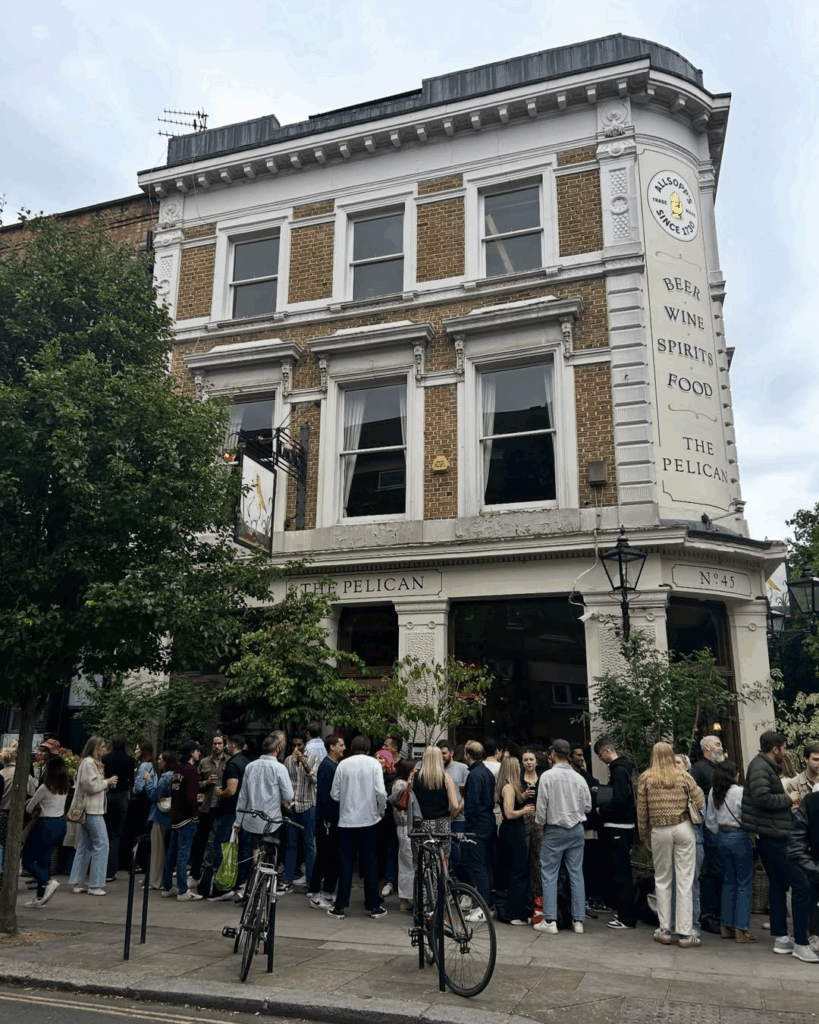
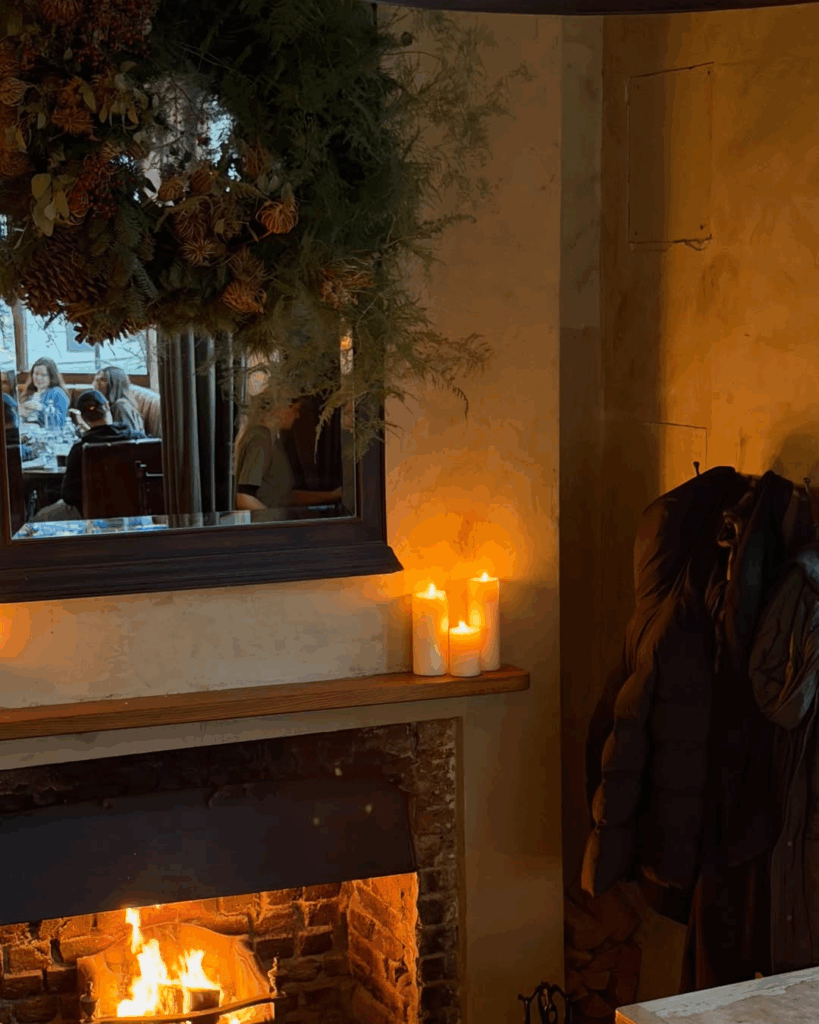
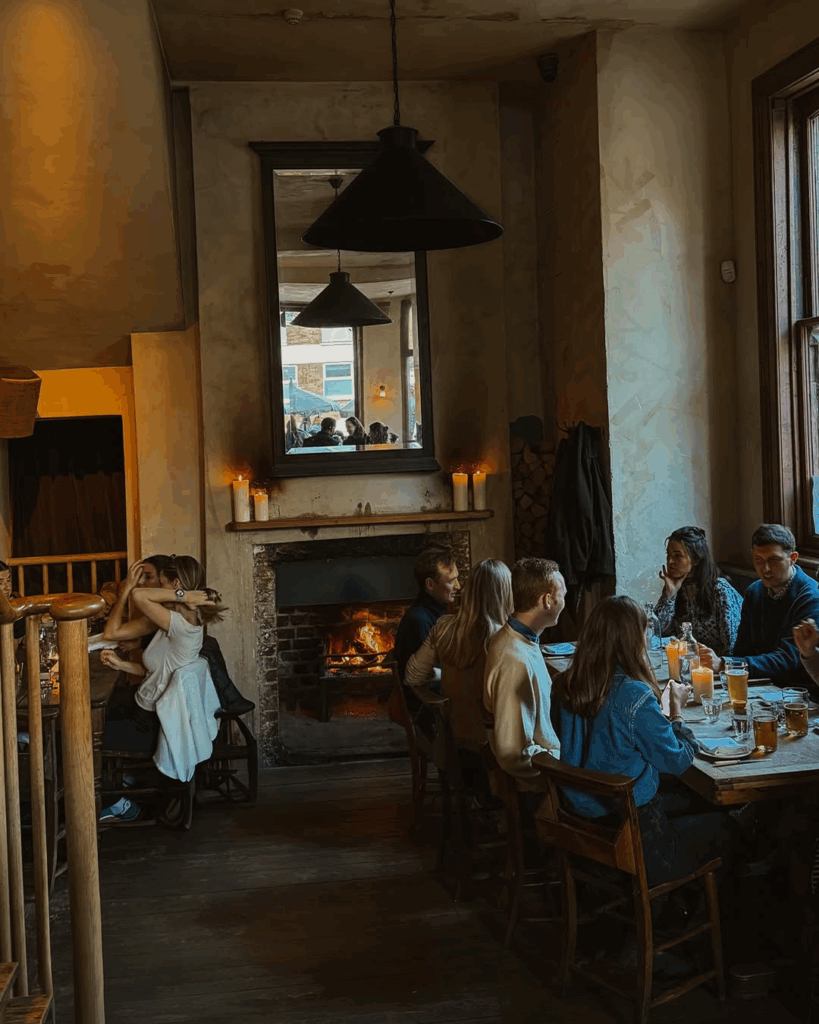
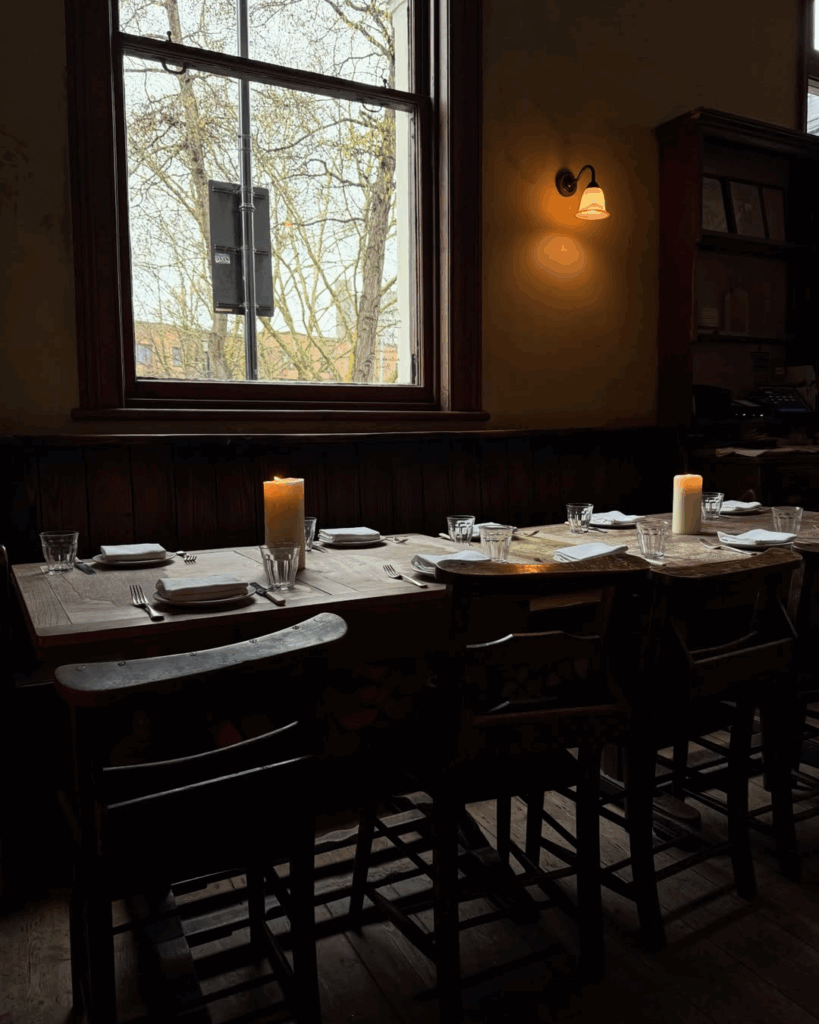
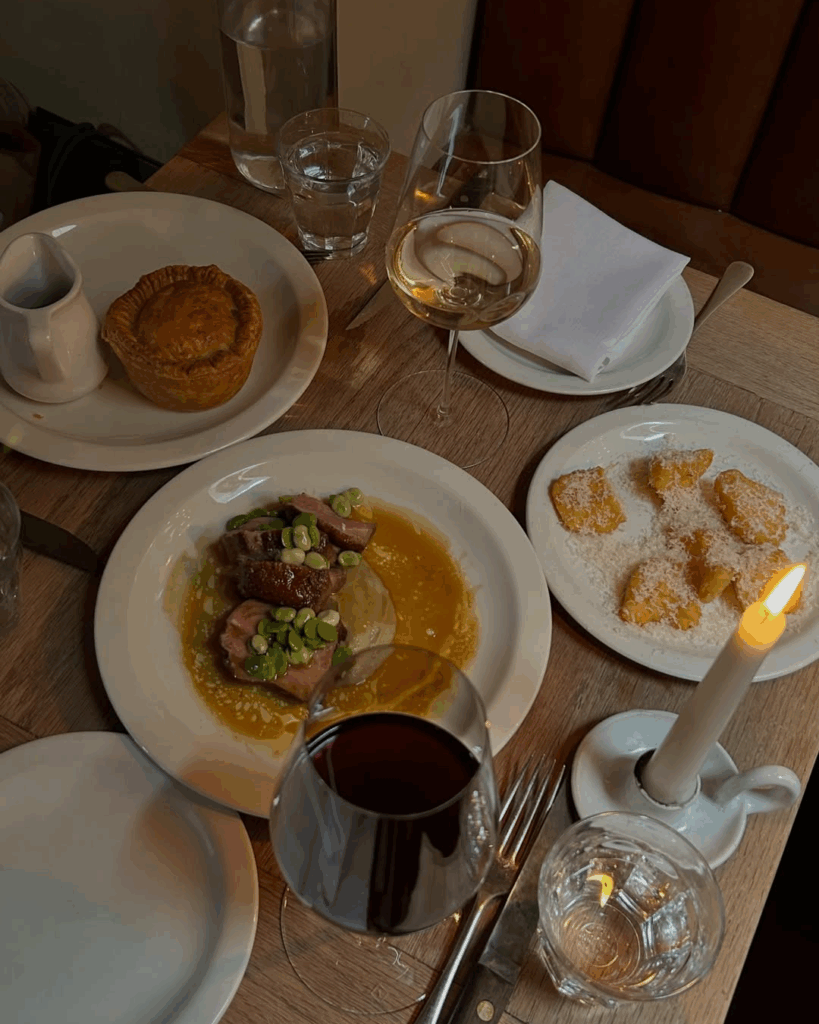

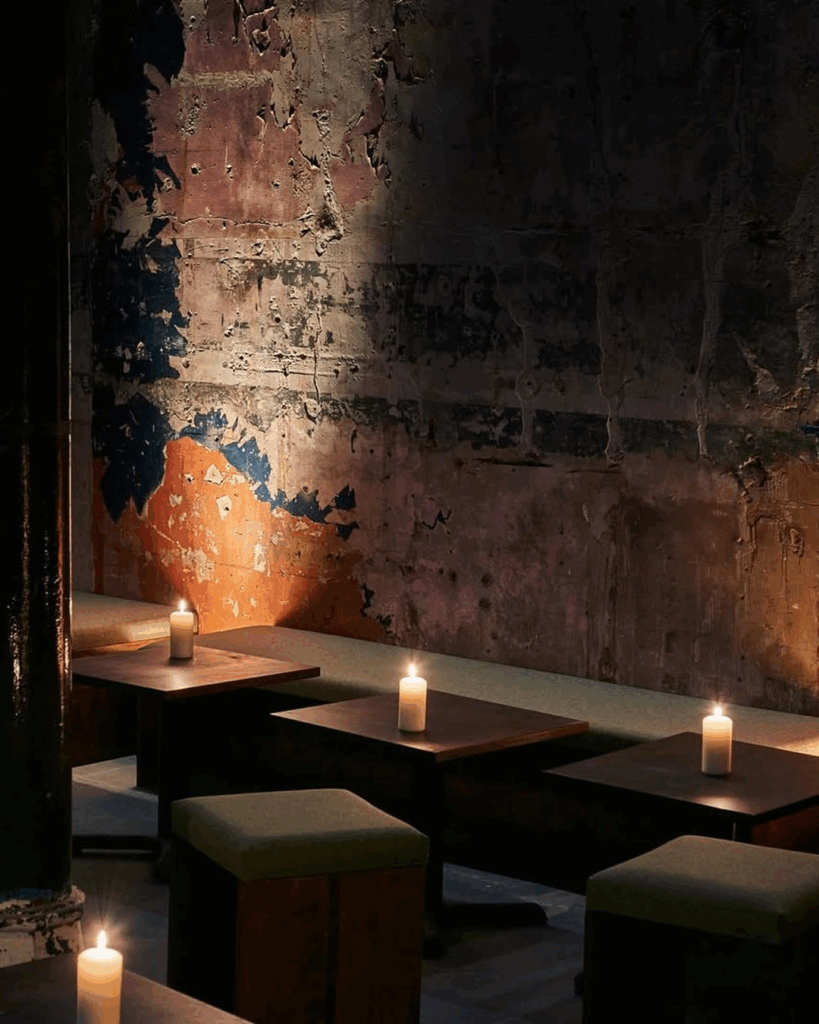
Another place we love is Below Stone Nest on Shaftesbury Avenue in Soho. It’s an underground bar / restaurant where theatre and musical performers would historically go after their shows. And the wonderful @jermainegallacher and his team, who worked on this project, didn’t strip away its past—they kept the atmosphere and simply added a light contemporary touch. Now it works as a club and live music space / restaurant, but it still carries its history. That balance between past and present is something we are really interested in.

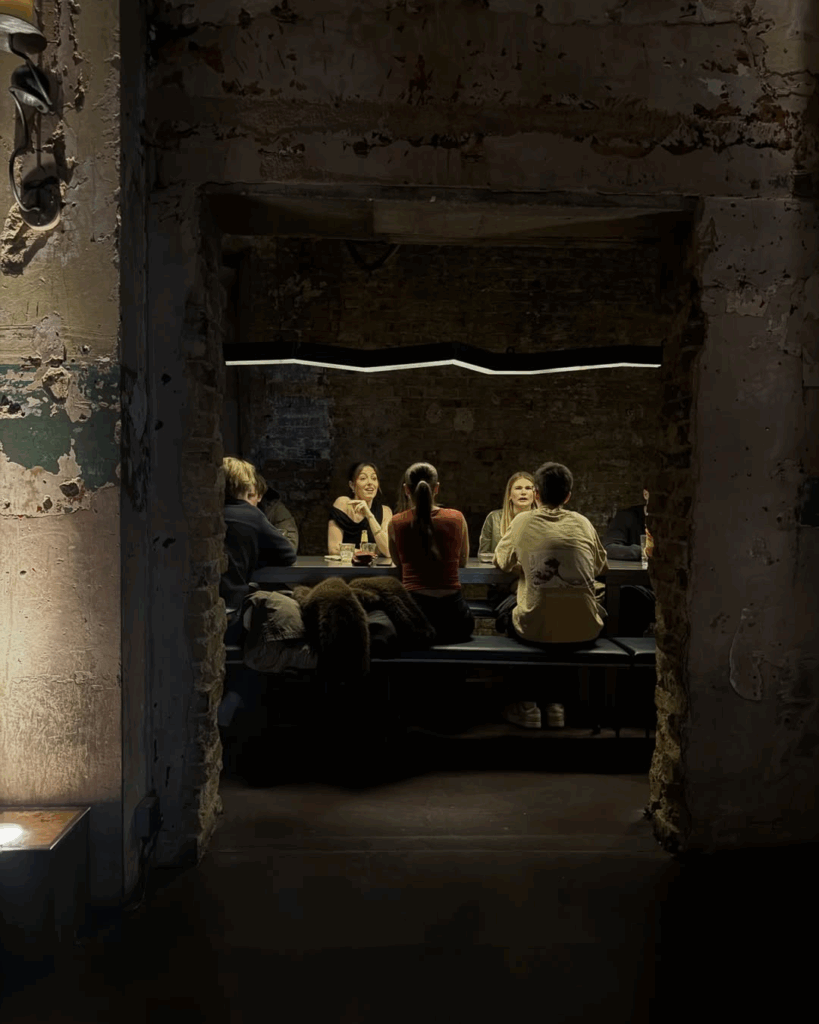
On our last trip to London, we also visited the V&A archive in Hackney Wick. In the lounge area of the museum , there was a café, books everywhere, comfortable sofas. It was full of people: friends talking, couples hanging out, even people reading by themselves. No one was rushing. People didn’t just come to see the exhibition, they stayed. Because the space invited them to.
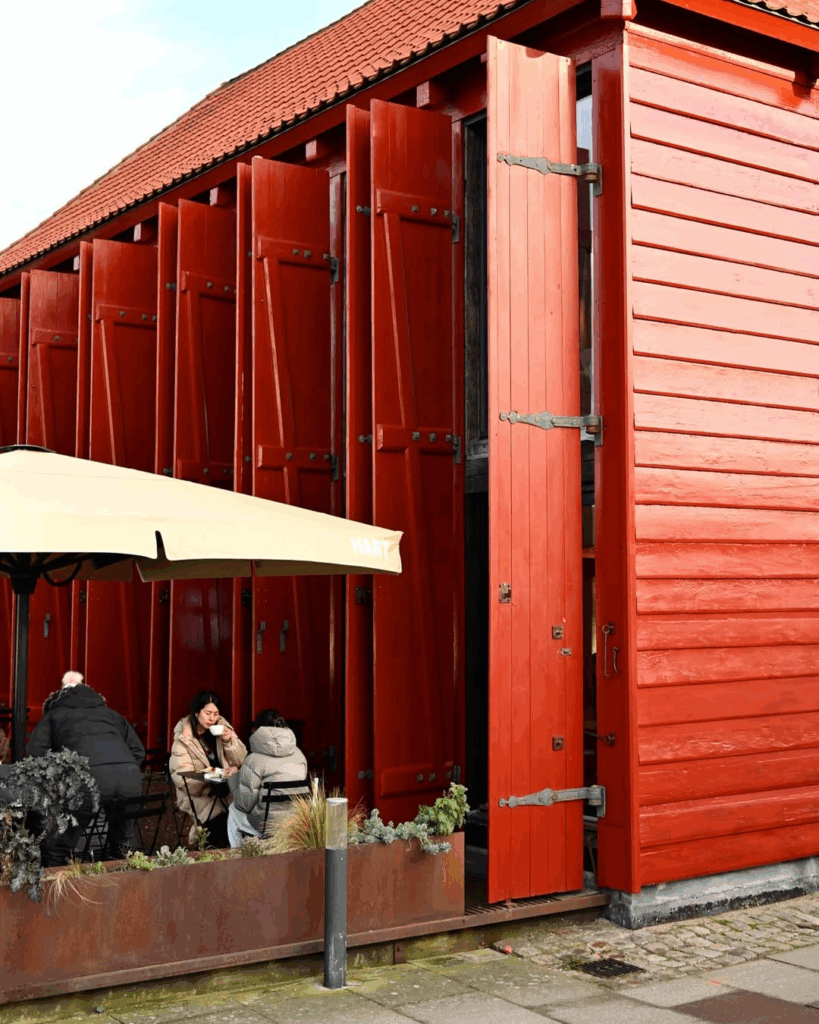
In Copenhagen, even the typical, everyday spots — like the “next door” café in the heart of the city, or Hart Bageri — are treated with architectural intention. They are regular, day-to-day places, yet architecture is the defining element, and everything is built from that foundation.
There is the same tasteful restraint throughout. A natural understanding of proportion, material, and atmosphere. Nothing feels excessive, yet everything feels carefully considered.

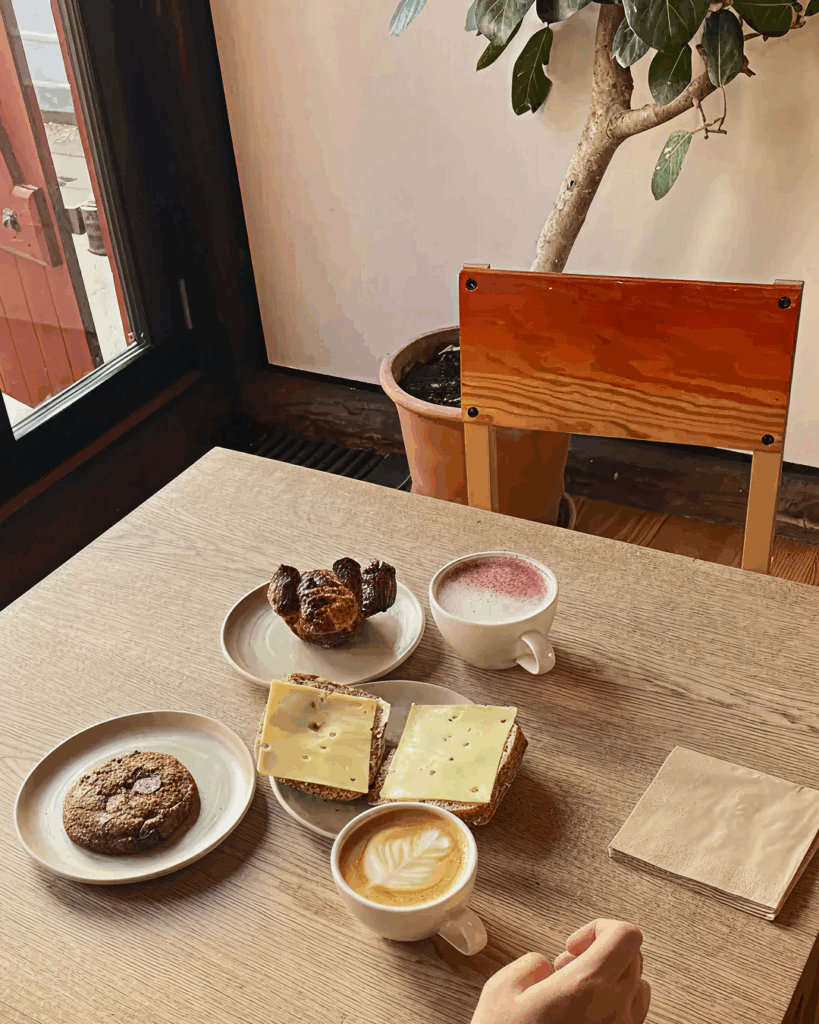
That’s very close to how we work. We’re not interested in forcing a strong “signature” design onto a place. We care more about the architecture, the history, and the location, and then adding just what’s needed to support the concept.
With this restaurant in Velázquez, the goal was exactly that : to create a place where people don’t just come to eat, but somewhere they want to spend time.